






In the world of manufacturing, the ability to quickly switch between product variations or production runs is a major competitive advantage. One of the most effective techniques for reducing setup times and improving overall efficiency is SMED, which stands for... Read more

In the fast-paced world of manufacturing, one of the key factors that determine efficiency and productivity is the time it takes to switch from one product to another. This process, known as “changeover,” can significantly impact production output, especially when... Read more

Root Cause Analysis vs. Corrective Action: Understanding the Difference In any organization, problem-solving is crucial for maintaining efficiency, ensuring quality, and minimizing risk. Two terms often used in the problem-solving process are Root Cause Analysis (RCA) and Corrective Action. While... Read more
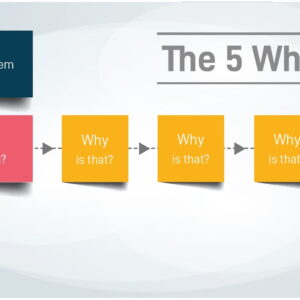
How to Conduct a 5-Why Analysis for Problem Solving Problem-solving is an essential skill in any industry, whether you’re working in manufacturing, service, or any other field. One of the most effective and simple tools for identifying the root cause... Read more
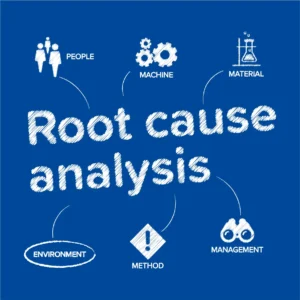
5 Common Root Cause Analysis Methods and When to Use Them In any industry, identifying the root cause of a problem is crucial for preventing it from recurring and ensuring the smooth operation of systems, processes, and teams. Root Cause... Read more

How to Use Data-Driven Troubleshooting for Faster Problem Solving In today’s fast-paced and highly competitive industries, downtime and system malfunctions can lead to significant losses in both time and money. Traditional troubleshooting methods, although valuable, often rely on guesswork or... Read more

A Step-by-Step Guide to Systematic Troubleshooting in Manufacturing In any manufacturing environment, downtime can be a significant disruptor, affecting production schedules, safety, and the bottom line. When machines or systems malfunction, quickly identifying the cause of the problem and implementing... Read more

FTA is a systematic and structured approach used to identify potential causes of failure and assess the risk of undesired events in complex systems. By visually mapping out the relationships between failures, FTA enables organizations to proactively address vulnerabilities before... Read more
What is Fault Tree Analysis? Fault Tree Analysis (FTA) is a top-down, deductive failure analysis method used to understand the causes of system failures. The analysis begins with identifying a particular undesired event (often referred to as the “top event”),... Read more

What is FMEA (Failure Mode and Effects Analysis)? Failure Mode and Effects Analysis (FMEA) is a systematic, structured approach used to identify potential failure modes within a system, product, or process and evaluate their consequences. The goal of FMEA is... Read more