



In today’s competitive manufacturing landscape, factory owners must continuously improve efficiency and reduce operational costs. One of the most powerful ways to achieve this is through PLC (Programmable Logic Controller) automation. PLC automation helps industries streamline processes, minimize human error, and improve overall productivity. Therefore, understanding PLC basics is essential for factory owners who want to stay ahead in the market.
What is PLC Automation?
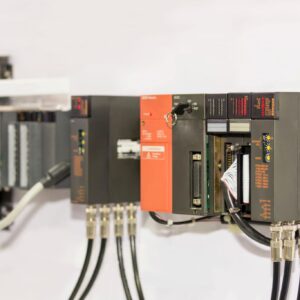
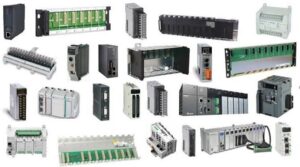
A Programmable Logic Controller (PLC) is an industrial computer used to control machines and processes in factories. It automates tasks such as:
- Machine operations
- Assembly lines
- Conveyor systems
- Packaging processes
Unlike traditional control systems, PLCs are highly reliable, flexible, and easy to program. As a result, they are widely used in modern industrial automation.
How PLC Automation Works
PLC systems operate through three main steps:
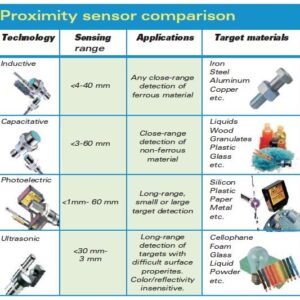
- Input – Sensors collect data from machines
- Processing – PLC processes the data using programmed logic
- Output – Commands are sent to machines or actuators
For example, when a sensor detects a product on a conveyor belt, the PLC triggers the next operation automatically.
Key Benefits of PLC Automation
1. Increased Productivity
PLC automation allows machines to run continuously without interruptions. Consequently, production speed increases significantly.
2. Reduced Human Error
Manual operations often lead to mistakes. However, PLC systems ensure consistent and accurate operations.
3. Cost Savings
Although initial investment is required, automation reduces labor costs and wastage over time.
4. Better Quality Control
Since processes are standardized, product quality improves and defects are minimized.
5. Easy Monitoring and Control
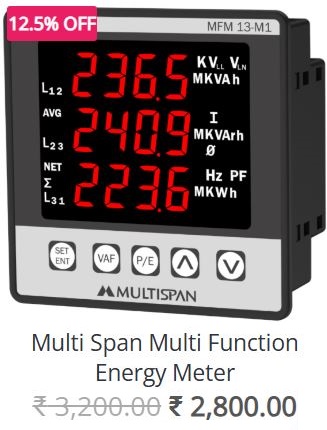
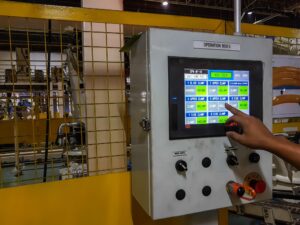
Factory owners can monitor operations in real-time, which helps in quick decision-making.
Applications of PLC in Manufacturing
PLC automation is widely used across industries, such as:
- Textile manufacturing
- Food processing
- Automotive industries
- Packaging units
- Chemical plants
Moreover, PLCs can be customized for both small-scale and large-scale factories.
Why Factory Owners Should Adopt PLC Automation
If you are still relying on manual processes, you may face:
- Low efficiency
- High operational costs
- Frequent errors
On the other hand, adopting PLC automation enables you to:
- Scale operations faster
- Compete with larger companies
- Improve delivery timelines
Therefore, investing in PLC technology is no longer optional—it is a necessity.
Steps to Implement PLC Automation
To get started, follow these steps:
- Identify processes that need automation
- Choose the right PLC system
- Work with automation experts
- Test and optimize the system
- Train your staff
As a result, you can ensure a smooth transition to automated operations.
Common Challenges and Solutions
Challenge: High Initial Cost
Solution: Start with partial automation and scale gradually
Challenge: Lack of Technical Knowledge
Solution: Partner with automation service providers
Challenge: Maintenance Issues
Solution: Regular monitoring and preventive maintenance
Conclusion
PLC automation is transforming the manufacturing industry by improving efficiency, reducing costs, and ensuring consistent quality.
Therefore, factory owners who adopt PLC technology early gain a significant competitive advantage. Whether you run a small unit or a large factory, PLC automation can help you achieve long-term growth and success.