




The manufacturing world is undergoing a massive shift—often referred to as the Fourth Industrial Revolution, or Industry 4.0. This transformation is not just about automation; it’s about intelligent, connected, and data-driven manufacturing systems that can think, learn, and adapt in real time.
If you are part of manufacturing, industrial automation, or even planning to enter this space, understanding Industry 4.0 is no longer optional—it’s essential.
🚀 What is Industry 4.0?
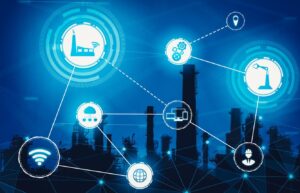
Industry 4.0 refers to the integration of advanced technologies into manufacturing processes to create smart factories. These factories use interconnected systems that communicate, analyze data, and make decisions with minimal human intervention.
Key Technologies Behind Industry 4.0:
- Internet of Things (IoT): Machines and devices connected via the internet
- Artificial Intelligence (AI): Systems that learn and make decisions
- Big Data & Analytics: Processing massive data for insights
- Cloud Computing: Remote data storage and accessibility
- Robotics & Automation: Smart, self-operating machines
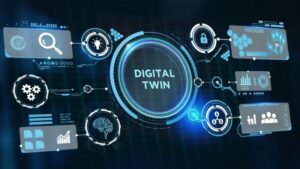
- Digital Twins: Virtual replicas of physical systems
🏭 Evolution of Industrial Revolutions
To understand Industry 4.0 better, let’s quickly look at the journey:
- Industry 1.0: Mechanization using steam power
- Industry 2.0: Mass production using electricity
- Industry 3.0: Automation using computers and electronics
- Industry 4.0: Smart manufacturing using data and connectivity
Bring your energy bills down. click here
🔄 How Industry 4.0 is Transforming Manufacturing
1. Smart Factories
Manufacturing units are becoming self-monitoring and self-optimizing systems. Machines communicate with each other to improve efficiency and reduce downtime.
👉 Example: A machine can predict when it needs maintenance before it breaks down.
2. Predictive Maintenance
Instead of fixing machines after failure, Industry 4.0 enables predictive maintenance using sensors and AI.
Benefits:
- Reduced downtime
- Lower maintenance costs
- Increased machine lifespan
3. Mass Customization
Manufacturers can now produce customized products at scale without increasing costs significantly.
👉 Example: Personalized clothing or made-to-order industrial parts.
4. Improved Supply Chain Management
Real-time tracking and data sharing improve transparency and efficiency across the supply chain.
Result:
- Faster deliveries
- Better inventory control
- Reduced wastage
5. Enhanced Productivity & Efficiency
Automation combined with data analytics leads to:
- Faster production cycles
- Fewer errors
- Better quality control
6. Data-Driven Decision Making
Manufacturers now rely on real-time data dashboards instead of guesswork.
👉 Managers can instantly see:
- Production status
- Machine performance
- Bottleneck

How Industry 4.0 is Transforming Manufacturing
📊 Benefits of Industry 4.0
- ✅ Increased efficiency and productivity
- ✅ Reduced operational costs
- ✅ Higher product quality
- ✅ Better workplace safety
- ✅ Faster time-to-market
⚠️ Challenges of Industry 4.0
While the benefits are huge, there are challenges too:
- ❌ High initial investment
- ❌ Need for skilled workforce
- ❌ Cybersecurity risks
- ❌ Integration with old systems
🔮 Future of Manufacturing
Industry 4.0 is just the beginning. The future includes:
- Fully autonomous factories
- AI-driven decision-making systems
- Hyper-personalized manufacturing
- Sustainable and energy-efficient production
💡 Final Thoughts
Industry 4.0 is not just a trend—it’s a complete transformation of how manufacturing works. Businesses that adopt these technologies early will gain a strong competitive advantage, while those that delay risk falling behind.
If you are in manufacturing or industrial automation, now is the perfect time to start exploring and implementing Industry 4.0 solutions.


